What Is a Rug Pull and How Can You Protect Yourself from It
Key takeaways
- A rug pull is a crypto scam where developers withdraw liquidity and abandon a token.
- Solana meme coins are common targets due to low launch barriers and liquidity pools on platforms like Raydium.
- Rug pulls often involve manipulation of token supply and liquidity through centralized authorities.
- Pump.fun and Raydium are popular platforms for launching tokens but can be exploited in rug pulls.
- Security checks and understanding tokenomics are essential to avoid falling victim to rug pulls.
A rug pull is a type of cryptocurrency scam where the creators of a token suddenly withdraw all liquidity from its trading pool, causing the token's value to crash and leaving investors with worthless assets. This exploit is especially common in meme coins launched on blockchains like Solana, where launching tokens requires minimal technical skill and can be done quickly through platforms such as NoxMint, pump.fun, and Raydium.
How Rug Pulls Work in the Crypto Market
Rug pulls typically involve malicious developers creating a new token with a set supply and initial liquidity, then promoting it to attract investors. Once enough capital is locked into the liquidity pool, the developers use their authority to withdraw the liquidity, effectively 'pulling the rug' out from under investors. This is possible because many Solana tokens have centralized mint or freeze authorities, allowing creators to manipulate supply or freeze token transfers.
Common patterns include:
- Creating a meme coin with hype but no real utility.
- Adding liquidity on decentralized exchanges like Raydium.
- Attracting buyers through social media and hype platforms.
- Suddenly removing liquidity from the pool, crashing prices.
Understanding how token authorities work—such as minting, freezing, and revoking—is crucial for spotting risky tokens.
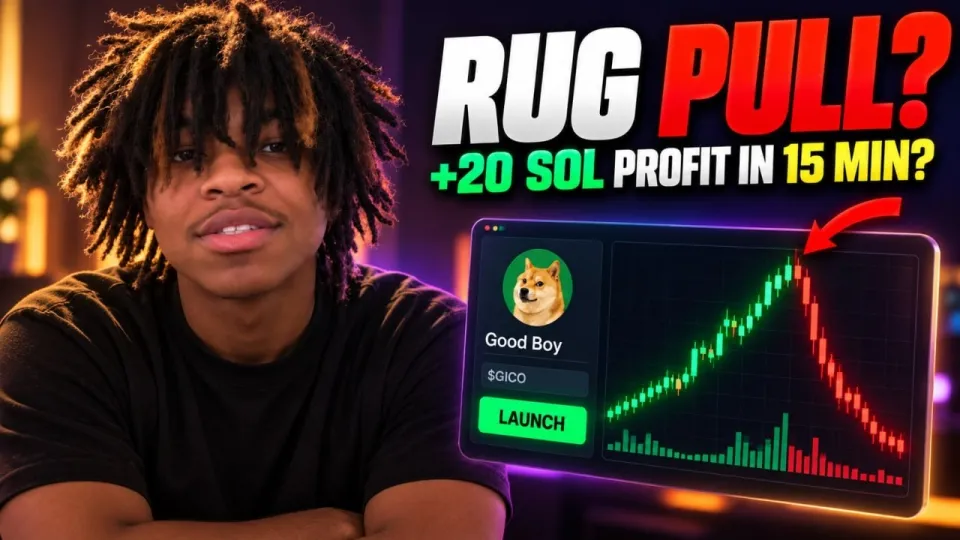
Video: Rug Pull Guide And Launching A Solana Meme Coin
Launching a Solana Meme Coin and Its Risks
Launching a meme coin on Solana involves creating an SPL token, setting the total supply, and deploying liquidity on platforms like pump.fun or Raydium. These platforms facilitate bonding curves and automated market makers (AMMs), allowing token price discovery through liquidity pools. However, the same mechanisms can be exploited to manipulate prices and execute rug pulls.
Steps to launch typically include:
- Creating the token on Solana using tools like NoxMint.
- Adding liquidity to a pool on Raydium or pump.fun.
- Promoting the token to attract investors.
While the process is straightforward, the lack of enforced locks on liquidity or authority renouncement creates vulnerabilities. Developers might retain control over mint authority or liquidity tokens, enabling them to drain pools at will.
Recognizing Red Flags and Common Patterns of Rug Pulls
To identify potential rug pulls, investors should watch for:
- Unverified or anonymous developers who do not renounce control.
- Liquidity not locked or locked for a very short time.
- Unusually high token supply with disproportionate distribution favoring developers.
- Rapid hype without clear project fundamentals or use cases.
- Unusual activity in token holders, such as many tokens concentrated in a few wallets.
Performing on-chain analysis to check wallet distribution and liquidity status on platforms like Raydium is recommended before investing.
How Liquidity and Token Prices May Be Manipulated
Liquidity pools on AMMs like Raydium rely on token pairs. Developers can manipulate token price by adding or removing liquidity strategically:
- Adding minimal liquidity to attract initial buyers.
- Using mint authority to inflate supply and dump tokens.
- Removing liquidity suddenly, causing price collapse.
Bonding curves involved in pump.fun launches can also be used to create artificial price pumps, misleading investors about token demand and value.
Essential Security Checks Before Buying New Tokens
Before investing in any new meme coin or token, especially on Solana, perform these security checks:
- Verify token contract and authority status: Check if mint or freeze authorities have been revoked.
- Check liquidity lock: Confirm if liquidity is locked and for how long.
- Analyze token holder distribution: Avoid tokens with suspicious concentration.
- Review project transparency: Look for verified teams and realistic roadmaps.
- Use trusted analytics tools: Platforms like Dexscreener and Birdeye Solana help track token behavior.
Following these steps can reduce the risk of falling victim to a rug pull.
Useful Links
Conclusion
A rug pull is a deceptive practice in the crypto space where developers drain liquidity and abandon a token, causing significant investor losses. The Solana blockchain’s ease of launching meme coins through platforms like pump.fun and Raydium has increased the frequency of such scams. Understanding token authorities, liquidity pools, and common rug pull patterns is vital for developers and investors alike. Conducting thorough security checks, analyzing tokenomics, and using trusted tools can help you avoid most rug pull schemes. For a detailed walkthrough of these processes, the channel "Ecole Nadjm el Maarifa- مدرسة نجم المعرفة" offers valuable educational content. To safely start creating or evaluating tokens, visit NoxMint for tools and tutorials.
Questions & answers
What exactly is a rug pull in cryptocurrency?
A rug pull is a scam where token developers withdraw all liquidity from a token’s trading pool, causing its price to crash and leaving investors with worthless tokens.
How can I spot a potential rug pull when investing?
Look for signs such as anonymous or unverified developers, unlocked liquidity, disproportionate token supply concentration, and lack of transparency or utility in the project.
What role do authorities like mint or freeze have in a rug pull?
Developers with mint or freeze authority can manipulate token supply or freeze transfers, enabling them to inflate supply or block transactions, which is often used in rug pulls.
Are there tools to help detect or avoid rug pulls on Solana?
Yes, tools like Dexscreener, Birdeye Solana, and on-chain analysis platforms can help verify liquidity status, token distribution, and contract details to assess risk before investing.
Source: Rug Pull Guide And Launching A Solana Meme Coin · Markdown version